Regardless of what financial or estate planning strategy is considered, and whether the goal is to protect wealth from creditor claims, minimize income tax or reduce estate and gift tax, there is one factor that is the heart of the most successful outcomes. And that is the return on the investments or assets used in the strategy.
Take a goal of reducing estate and gift tax. Whether one considers just straight gifting, using the annual exclusion, gifting to use up the remaining lifetime gift tax exemption, making transfers through a grantor retained annuity trust (GRAT), or reducing gift or estate tax by creating a testamentary charitable lead trust described in Section 170(f)(2)(B), the key to success is the return on the assets involved.
Take, for example, a GRAT. Such a trust will be a successful estate planning strategy essentially only if the return is in excess of the Section 7520 rate used to value interests in the GRAT. (Actually, the arithmetic is a little more complicated than that.) Even if perfectly structured and administered, the trust will fail to achieve its goal if the investment return doesn’t exceed that rate.
Similarly, although often so-called Crummey Trusts are used to acquire and hold life insurance, more on average (depending on their return and on the timing of death) will be transferred using such a trust if securities are used to fund it rather than funding it with the insurance. Of course, if the ultimate goal is to have funds to provide liquidity at death (for example, to pay estate tax), funding the trust with life insurance may be necessary to achieve the goal.
Even if the goal is “mere” asset protection, transferring those assets more likely to appreciate more rapidly than others usually will provide the largest basket of protected assets.
Therefore, in guiding clients on how best to achieve their financial goals, determining which assets are likely to appreciate the most almost always is a critical factor. And of course, returns change over time. Who would have believed General Motors would go bankrupt or that buying crypto currencies could produce massive wealth is an extraordinary short period of time? And that means that having the flexibility to change investments with minimum cost and tax also needs to be considered. That will be addressed in a later post.
Generating strong returns is only half the equation. The other half is making sure those assets are protected once they’re transferred.
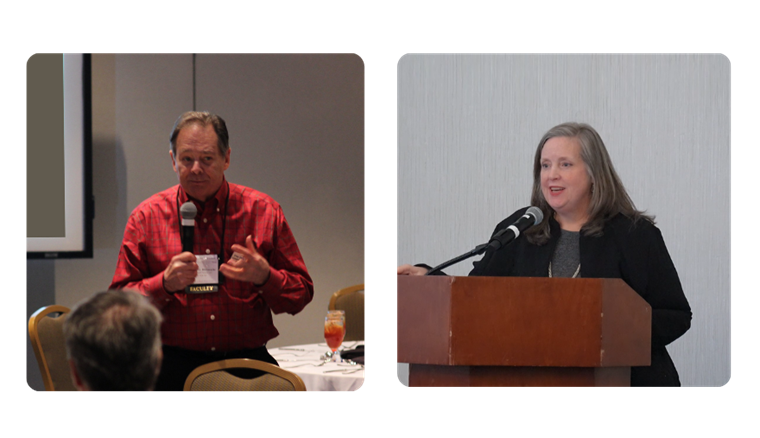
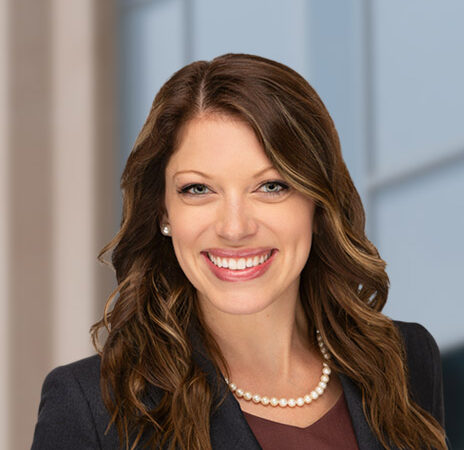
In our upcoming Masterclass, Jonathan Blattmachr and Teresa Bush will discuss why trusts, even simple ones, provide unmatched protection for the wealth your clients work so hard to build. If you’re advising clients on asset protection and wealth transfer, this is a conversation worth joining.
CLE-Approved Masterclass
“Trusts Are the Answer, No Matter the Question“
May 12, 2026, 4:00 PM ET
Jonathan G. Blattmachr, Esq., and Teresa L. Bush, Esq.
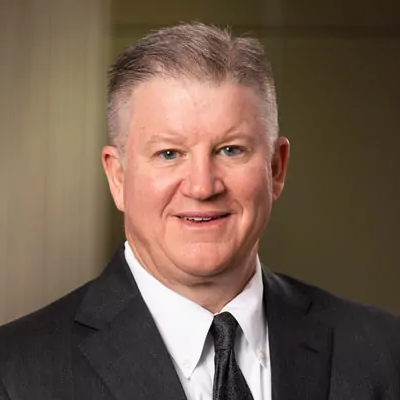
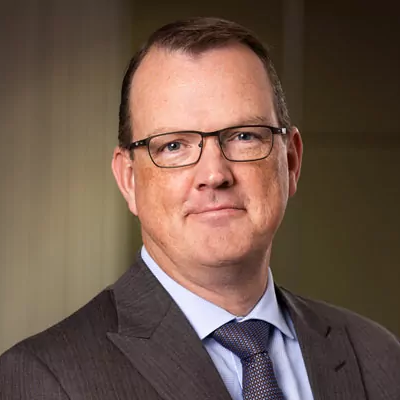
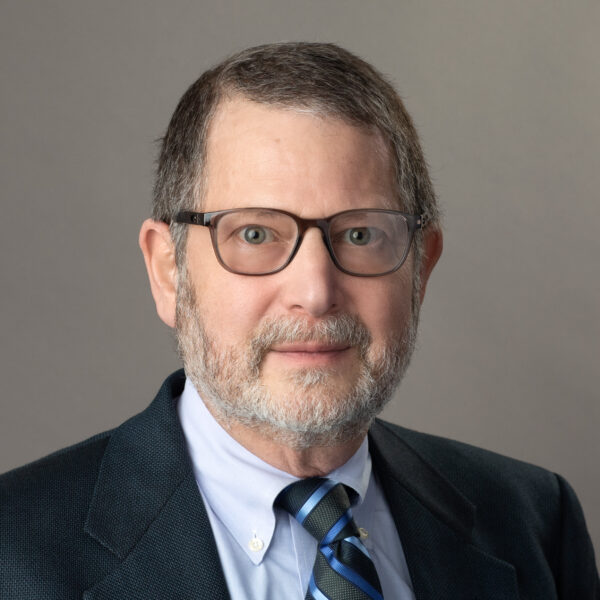
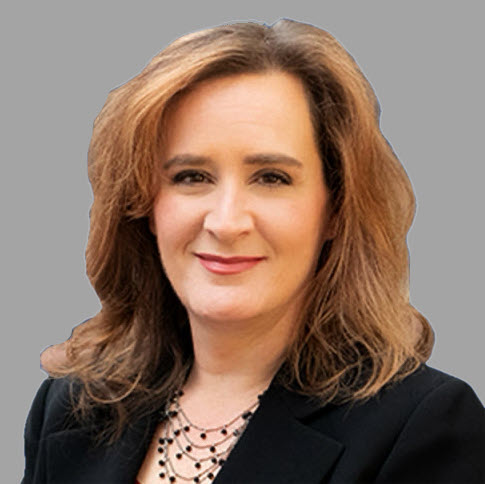
Meet the Authors

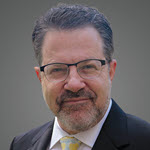
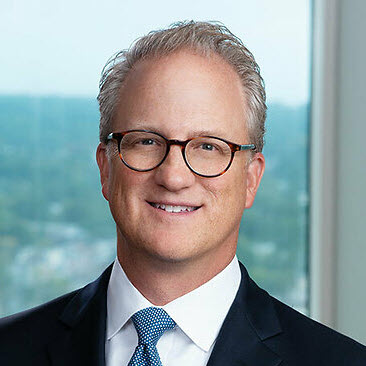
Mr. Blattmachr is a Principal in ILS Management, LLC and a retired member of Milbank Tweed Hadley & McCloy LLP in New York, NY and of the Alaska, California and New York Bars. He is recognized as one of the most creative trusts and estates lawyers in the country and is listed in The Best Lawyers in America. He has written and lectured extensively on estate and trust taxation and charitable giving.
Mr. Blattmachr graduated from Columbia University School of Law cum laude, where he was recognized as a Harlan Fiske Stone Scholar, and received his A.B. degree from Bucknell University, majoring in mathematics. He has served as a lecturer-in-law of the Columbia University School of Law and is an Adjunct Professor of Law at New York University Law School in its Masters in Tax Program (LLM). He is a former chairperson of the Trusts & Estates Law Section of the New York State Bar Association and of several committees of the American Bar Association. Mr. Blattmachr is a Fellow and a former Regent of the American College of Trust and Estate Counsel and past chair of its Estate and Gift Tax Committee. He is author or co-author of eight books and more than 500 articles on estate planning and tax topics.
Among professional activities, which are too numerous to list, Mr. Blattmachr has served as an Advisor on The American Law Institute, Restatement of the Law, Trusts 3rd; and as a Fellow of The New York Bar Foundation and a member of the American Bar Foundation.
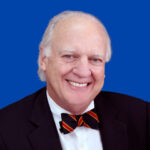
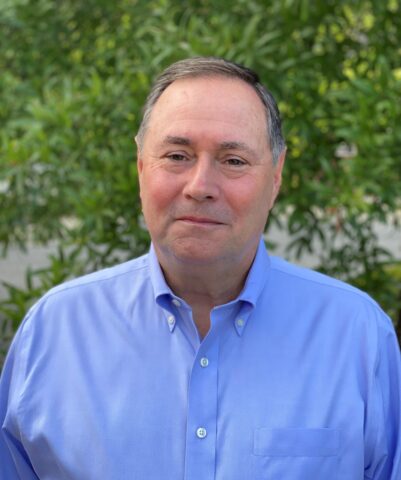
Michael L. Graham is Chairman of InterActive Legal and practices law with the Houser Firm in Dallas, Texas.
Mike has been continuously Board Certified in Estate Planning and Probate by the Texas Board of Legal Specialization for 40 years. He became a full partner at age 30 in one of the largest, most respected law firms in the US, Baker & Botts, and became a Fellow of the American College of Trust and Estate Counsel at age 34. MIke has served as Chair of the Texas Bar Association’s Real Property, Probate and Trust Law Section, the Houston Bar Association’s Probate Section, and the Dallas Bar Association’s Probate Section. Other professional contributions include Supervisory Council Member of the American Bar Association’s Real Property, Probate and Trust Law Section and President of the Texas Academy of Probate and Trust Lawyers.
In his practice at the Houser Law Firm, Mike limits his current focus to matters involving business and estate planning, administration of estates and trusts, and fiduciary based litigation. He has practiced at both large, international firms and small boutique firms over the last 44 years. He received his J.D., cum laude, from Baylor School of Law (1972), and his BBA from Baylor University (1971).